
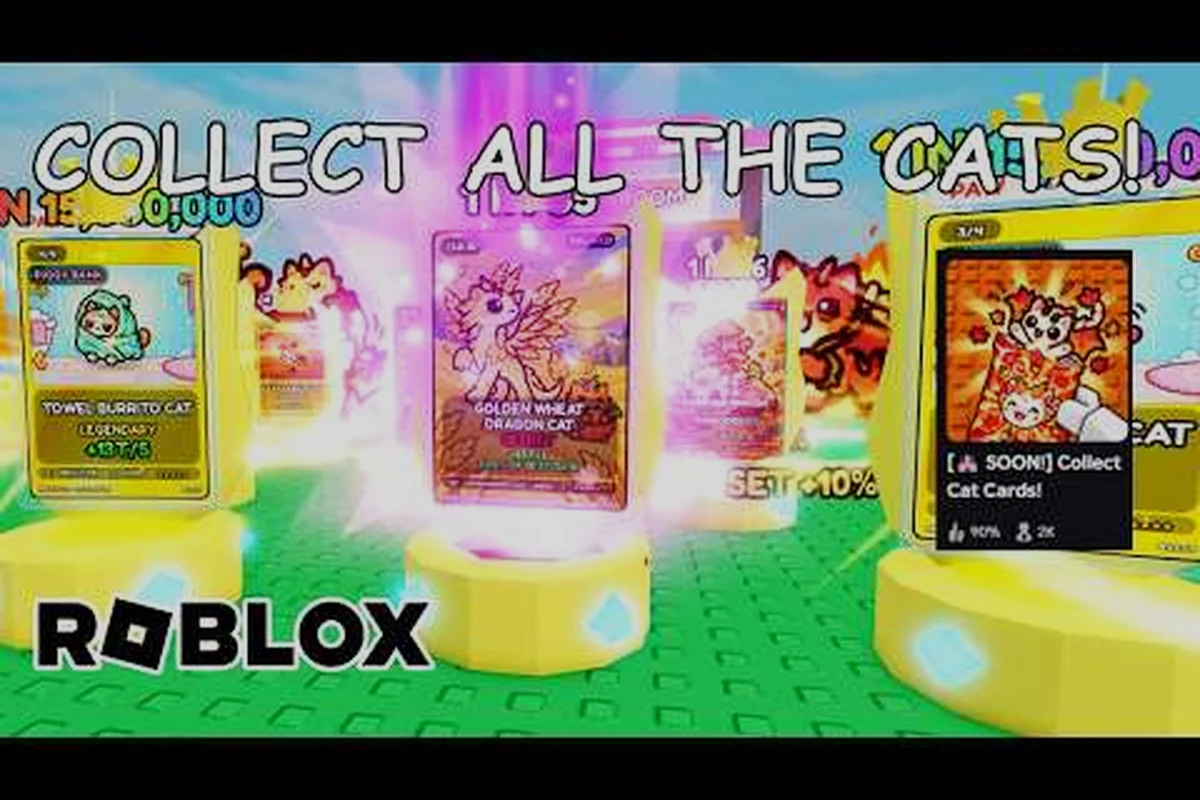
Collect Cat Cards card numbers give every catalog entry a clear identity, making duplicates easier to track and collection progress easier to improve. Learn how the Index, rarity tiers, pull records, and card statistics work together.
Collect Cat Cards Card Numbers and the Index System
The Collect Cat Cards card number assigned to a cat identifies its position within the game's catalog. That number is more useful than memorizing a cat's appearance alone because it lets you distinguish a new entry from a duplicate, connect a pull to an Index slot, and communicate a missing card without relying on a screenshot or a long description.
A complete Index slot is the central goal for most collectors. When a cat arrives for the first time, its entry becomes part of your active collection; when the same cat arrives again, the game can mark that entry as a duplicate. This makes the Index more useful as a progress tracker than a simple inventory list because it separates first discoveries from repeated pulls.
| Collection status | What it indicates | Collector action |
|---|---|---|
| Empty Index slot | The cat has not been collected yet | Record the target number and keep pulling |
| Newly filled slot | The cat was obtained for the first time | Add it to your personal checklist |
| Duplicate | The cat was pulled again | Keep the better copy if its stats differ |
| Index complete | Every catalog entry has been discovered | Review upgrades, variants, and favorite cards |
| Showcase entry | A selected card represents the collection | Compare its number and statistics with other options |
The distinction matters when planning limited currency or pack openings. If your goal is to discover every cat, record the missing card numbers first and stop treating a collection as finished merely because it contains many strong cards. A large pile of rare pulls can still leave common numbers unfilled, so catalog coverage and card strength are separate goals.
Community video sessions also demonstrate this distinction in practice. In AccelToWin's Collect Cat Cards playthrough, the Index fills as new cats land, while duplicate pulls remain visible as part of the broader collection. The footage gives a practical example of watching completion rise without stopping at the first attractive card.
What Makes a Card Number Useful?
A card number remains valuable because it provides a stable reference across several parts of the collection. It can identify the correct empty Index slot, help you describe a missing cat to another collector, and support a checklist that remains meaningful as your collection expands.
It also helps when the same cat appears in different visual forms. Collect Cat Cards cards prices may vary because of rarity, variant, condition, or market demand, but the number identifies the underlying catalog entry. That distinction is essential: a valuable variant can still fill the base cat's number, while a common card can contribute to a complete collection without being especially marketable.
Use the number as an anchor, not as the only description. Pair it with the cat's name, rarity tier, and visible variant before making a trade. If you want broader help identifying unusual finishes, the Collect Cat Cards card rarity guide explains why a familiar number can appear in more than one collectible form.
Tracking Missing Numbers Toward a Complete Collection
A complete collection requires more than opening packs repeatedly. The most effective method combines a reliable missing-number record, deliberate pack selection, duplicate tracking, and periodic reviews of the Index. This approach reduces wasted pulls because every session has a clear target and every new card updates a defined checklist.
Start with the official Index or whatever in-game catalog the game presents. Create a simple table with one row per number, then mark each entry as missing, obtained, or duplicated. If you want to compare names and variants against what other players consider notable, use the site's Collect Cat Cards card list alongside your in-game record rather than replacing it.
| Catalog state | Number of pulls before improvement | Best response |
|---|---|---|
| New cat discovered | 1 | Record the number and update the Index |
| Familiar cat repeated | 1 | Mark as duplicate and review variant stats |
| Two missing numbers remain | 2 | Target packs that may contain either entry |
| One specific number remains | 1 | Continue until that slot is filled |
| All numbers are filled | 0 | Shift toward variants, favorites, and showcase quality |
A Four-Part Tracking Method
A practical tracking sheet needs four fields: card number, cat name, pull count, and best copy. The pull count helps identify repeated normal versions, while the best-copy field can record whether a duplicate arrived with better statistics or a rarer treatment. Keep the record separate from market price because price fluctuates, while the card number identifies the permanent slot.
For a Collect Cat Cards card collection, divide the checklist into small groups rather than maintaining one intimidating list. Grouping by ten or twenty numbers makes each session easier to review, and it also creates a natural record of which regions of the Index still need attention. When a group is finished, verify it in the game before moving on.
Track variants in a separate column because the same cat number can appear with gold, rainbow, holo, or other treatments. The Collect Cat Cards fans' favorite catalog can help you identify visually appealing entries, but your own favorites should still be chosen from the cards you actually own and value.
Avoiding Duplication Errors
Duplicate management is where most recordkeeping problems begin. Players sometimes remember a cat by color or pose, then assume it is missing even though a different copy is already in the Index. Compare the number before purchasing packs, trading, or selling anything.
A practical routine is to sort recent pulls by number before closing the pack summary. Mark every new number once, then count repeat numbers separately. This creates a clean distinction between discovery progress and duplicate depth, two metrics that can support very different collection strategies.
Collect Cat Cards Trading Cards and Duplicate Value
Trading depends on demand, scarcity, and clear identification. Collect Cat Cards trading cards are easiest to evaluate when the number, name, rarity tier, and variant are visible. Without those details, a trader may not know whether two cards represent the same catalog entry or different versions of a popular cat.
Rare pulls deserve careful comparison because visual excitement does not automatically guarantee the highest resale value. Market prices can move, and a polished common card may be easier to trade than a dramatic variant that few buyers actively seek. Treat a quoted price as a snapshot rather than a guaranteed outcome.
| Card characteristic | What it tells a trader | Why it matters |
|---|---|---|
| Card number | Exact catalog entry | Removes ambiguity |
| Rarity tier | Relative scarcity | Helps compare supply |
| Variant | Cosmetic or special treatment | Can affect collector demand |
| Copy count | Duplicate depth | More copies may mean easier trades |
| Condition | Visible wear or presentation | Can influence buyer confidence |
| Market snapshot | Current asking or sale context | Helps set realistic expectations |
What Collect Cat Cards Cards Prices Can—and Cannot—Tell You
A price is useful only when its context is clear. The same card can be quoted at different prices depending on whether it is being traded immediately, listed for sale, or offered as part of a larger lot. Collect Cat Cards cards prices should therefore be recorded as dated observations, not permanent labels printed on the card.
For a personal collection, rarity and favorite status often matter more than resale potential. A card that completes your Index can have greater practical value than a duplicate worth more in cash. Before trading, decide whether the goal is completion, a showcase upgrade, or liquidity, because each objective produces a different acceptable exchange.
A useful rule is to separate intrinsic value from market value. The card number and its completion role are intrinsic; a current buyer listing is market-based. If a card is needed to finish the Index, it may be worth more to you than its visible market price, especially when only a small number of packs remain practical.
For unusual treatments, check the Collect Cat Cards mutation rarity overview because weather effects can alter the appearance and perceived value of a familiar card. Still, mutation status should be confirmed visually and in the collection record rather than assumed from one blurred image.
Preparing a Trade-Safe Card Record
Before listing or offering a card, record five facts: its number, name, rarity tier, variant, and duplicate count. Add a short condition note if the card shows visible wear. This prevents accidental offers and makes it easier for another collector to understand exactly what you have.
Community-reported trading patterns are useful as a secondary signal, but they should not replace direct verification. Prices can change with update events, demand shifts, or the arrival of newer cards. A dated comparison across several listings is more defensible than a single remembered figure.
Collect Cat Cards How to Collect All Cats Without Wasting Pulls
Completing the catalog is most efficient when every pack opening has a defined purpose. The Collect Cat Cards how to collect all cats process is not a guarantee that one pack type always contains a fixed cat; instead, it is a repeatable cycle of targeting, opening, checking, and reinvesting based on what the Index shows.
Start each session by selecting one or two missing numbers. If only one remains, focus on it and avoid spending resources on unrelated goals until the slot is filled. If several remain, use the broader card list to identify which pack openings offer the best chance of reaching those entries.
| Situation | Primary target | Secondary use of pulls |
|---|---|---|
| Many numbers missing | Broad catalog coverage | Save rare cards for later |
| A few numbers missing | Specific target cats | Track duplicate counts |
| One number missing | Final completion slot | Delay upgrades or trades |
| Index complete | Variant hunting | Refine favorites and showcase |
| Trading break | Highest-value duplicate | Preserve cards needed for completion |
A Short Session Loop That Ends With Accurate Records
Use a short session loop that ends with accurate records. First, review missing numbers. Second, open the packs or make the purchases available under your budget. Third, sort results by number, including the new, duplicate, and upgrade entries. Fourth, update the tracker and mark the next target.
This loop is more reliable than trying to remember every pull after a long session. Player experience shared in community videos often shows early cash being reinvested into additional openings while the Index progresses, which illustrates the basic loop: use resources, acquire cards, verify progress, and decide what to pursue next.
Choose Goals Before Opening Packs
Set a goal before every purchase: completion, rare pulls, trading stock, or favorites. If you mix these goals, the result can feel random even when each individual pack is normal. Completion favors missing numbers, trading favors duplicates, and favorites favors specific appearances and variants.
The wider Collect Cat Cards weather mutation guide can help when a rare variant changes the value of a target. However, variant hunting is best treated as a secondary plan unless the base cat is already collected; otherwise, a beautiful card can still leave an empty number that blocks Index completion.
When to Pause and Reassess
Pause pack openings when the remaining missing numbers no longer fit a clear buying plan, when your records become inconsistent, or when the expected benefit is lower than the resources at risk. This does not require abandoning the collection. It simply preserves money and makes the next set of pulls more intentional.
The best completion method is therefore simple to state but demanding to maintain: keep one accurate number list, open with a target, record every result, and reinvest only after the Index confirms what is still missing. That discipline turns a large number of random pulls into a trackable path toward every cat.
Collect Cat Cards Card Showcase Ideas and Presentation
A Collect Cat Cards card showcase is more than an image of the newest pull. It is a presentation of the collection's identity: which favorite sits in the lead position, which number completes the Index, and which rarity gives the display its strongest visual focus. A good showcase reflects your priorities instead of placing the loudest card in every position.
The central card should normally be the cat you most enjoy seeing, not automatically the one with the highest market price. If your collection has a favorite ordinary card, give it the lead because the showcase is a personal collection feature. For a balanced display, combine one favorite, one valuable rare pull, and one meaningful completion card.
| Showcase position | Recommended selection | Reason |
|---|---|---|
| Main card | Personal favorite | Keeps the display emotionally focused |
| Secondary card | Best rare pull | Adds visual impact and scarcity |
| Completion card | Final Index number | Represents the collection's achievement |
| Supporting row | Favorite variations | Shows range without hiding key cards |
| Display background | Low-detail neutral setting | Prevents visual clutter around the cards |
Build Around One Story
Choose a theme before arranging the cards. A mutation-centered showcase can highlight unusual finishes, while a completion-themed display can center the last cat needed to fill the Index. A favorites theme can combine several colors and characters without needing the highest-value card in the lead.
Player-created displays offer useful inspiration because they reveal which combinations look balanced. A long community session such as this Collect Cat Cards collection video shows the Index developing as a visible collection record, which is a strong foundation for a progress-based showcase rather than a collection of disconnected pulls.
Keep Numbers Visible
Include the card number in your records even when the showcase image emphasizes art or effects. The number proves which entry you own and makes it easier to build a catalog, answer a trade request, or compare the display with a checklist. It also keeps the visual presentation tied to the collection's actual structure.
If you trade while maintaining a showcase, update the arrangement immediately. A traded card should not remain credited in the display, and a new card should not be placed without checking its number. Accurate records keep the showcase useful as both a personal record and a snapshot of collection progress.
Showing Collection Progress
Progress can be displayed through several simple metrics:
-
Index coverage: How many catalog numbers are filled.
-
Duplicate depth: How many times each number has appeared.
-
Variant count: How many special treatments are represented.
-
Favorite count: How many cards have been selected for display.
-
Completion milestone: The number that closed the final empty slot.
These measures explain the story behind the display. A nearly complete Index, a deep set of duplicates, and a collection rich in rare variants are different achievements, and the showcase can communicate each one without making unsupported claims about future prices.
Managing a Large Collection Without Losing Track
Large collections become difficult when every card is treated the same. The solution is a layered record that separates the permanent catalog number from changing details such as duplicate count, favorite status, and market snapshot. This makes updates faster and reduces the chance of accidental trades or catalog gaps.
A spreadsheet can be more than enough, but it should use a consistent schema. Keep one row per card number and use separate fields for every copy or variant. If your collection includes special finishes, the Collect Cat Cards weather effects overview provides useful classification ideas, while the main tracker should remain centered on the catalog entry itself.
| Data field | Update frequency | Reason it matters |
|---|---|---|
| Card number | Once | Permanent catalog reference |
| Cat name | Once | Human-readable identification |
| Obtained date | Once per discovery | Tracks collection history |
| Duplicate count | After each pull | Shows collection depth |
| Best variant | After an upgrade | Identifies the strongest copy |
| Favorite status | As preferences change | Supports display decisions |
| Market snapshot | Periodically | Prevents stale price assumptions |
| Trade status | After each transaction | Stops double-listing cards |
Weekly and Milestone Reviews
A short weekly review keeps errors from compounding. Check the Index against your tracker, reconcile recent pulls, and correct any mismatches. At larger milestones, such as completing a group of ten numbers or adding a rare variant, perform a fuller review.
Milestone reviews are especially useful after periods of heavy trading. Two small lists can accidentally represent the same cat under slightly different names. Matching by number resolves the mismatch because names can be harder to remember, spell, or recognize across visual variants.
Back Up the Record
Keep a backup of the tracker separate from the live file. Screenshots of the Index can support the record, but they should not replace the structured list because images are harder to filter and update. A simple spreadsheet export or dated text file is enough to protect hours of cataloging work.
Backups also help when trading. A dated snapshot preserves the pre-trade state and makes it easier to prove which copy changed hands. This is especially valuable when a card appears in several sets, because duplicate count and variant fields provide the context needed to distinguish one physical copy from another.
Frequently Asked Questions
What do Collect Cat Cards card numbers identify?
Collect Cat Cards card numbers identify individual entries in the game's cat catalog. Each number connects a physical pull to an Index slot, helping you tell a new discovery from a duplicate and identify missing cats without relying only on appearance. Tracking numbers also creates a clearer foundation for trading and collection planning.
Should duplicate cards count toward a complete collection?
A duplicate does not fill a new Index slot once that number is already collected. It can still increase duplicate depth, reveal a better variant, or provide trading stock. The important distinction is that catalog completion depends on discovering every unique number, while duplicate copies serve different collection goals.
How should I record card values and prices?
Record the card number, name, rarity, variant, and date of the price observation. Market values can change, so a historical note is more useful than a single permanent figure. Also separate personal usefulness, such as completing the Index, from market value, because the best card for a collection may not be the highest-priced one.
What is the most efficient way to collect every cat?
Keep an accurate list of missing numbers, choose pack openings that support those targets, and update the tracker after every session. Prioritize the final missing slot when the list becomes short. A Collect Cat Cards card showcase can then document the completed collection while your records preserve duplicate counts and favorite variants.
How can I confirm that my collection tracker is accurate?
Compare your tracker with the in-game Index at regular intervals and mark every discrepancy at once. Confirm the number on recently traded or upgraded cards, because visual variants can make familiar cats look different. A weekly review for an active collection and a deeper audit after major trades should keep the catalog reliable.